
India is home to a vast and diverse healthcare system. As the demand for specialized medical care increases, the number of medical professionals, including neurosurgeons, is crucial for meeting patient needs. However, this demand is not equally met across all regions, leading to varying levels of access to quality care.
Summary
India has about 2,000 neurosurgeons, with a heavy urban and private-sector concentration that leaves rural areas underserved despite government initiatives and telemedicine efforts. Odisha counts roughly 100 neurosurgeons (around 30 in Bhubaneswar), where demand still exceeds supply, contributing to wait times and travel burdens. While advances in minimally invasive techniques, imaging, and robotics plus expanded training are improving outcomes, persistent regional and resource disparities require targeted policies and public–private partnerships to ensure equitable access.
Urban vs Rural Distribution
One of the significant challenges in the field of neurosurgery is the uneven distribution of specialists between urban and rural areas. Urban centers, with their advanced medical infrastructure, attract the majority of neurosurgeons. This results in a concentration of services in cities, leaving rural areas underserved. Patients in rural regions often face the dilemma of traveling long distances to receive specialized care, which can delay treatment and affect outcomes.
Economic Impact on Healthcare
The economic landscape of India plays a pivotal role in healthcare delivery. In urban regions, higher economic activity supports better healthcare infrastructure and attracts top medical talent. Conversely, rural areas may struggle with limited resources and budget constraints, impacting the availability and quality of neurosurgical care. This economic disparity necessitates targeted policies to bridge the gap and ensure equitable healthcare access for all.
Government Initiatives and Policies
To address these challenges, the Indian government has initiated several programs aimed at boosting healthcare infrastructure and specialist availability in underserved areas. These initiatives include setting up new medical colleges, offering incentives for specialists to practice in rural areas, and investing in telemedicine. Such policies are crucial for improving the overall landscape of neurosurgery and ensuring that all patients have access to high-quality care.
Total Number of Neurosurgeons in India
As of the latest data, India has approximately 2,000 practicing neurosurgeons. This figure indicates a significant growth from previous years, but there remains a disparity in the distribution of these specialists across urban and rural areas. The concentration of neurosurgeons is predominantly in urban centers, which poses a challenge for patients in rural regions seeking specialized care.
Growth Over the Years
The growth in the number of neurosurgeons is a testament to the increasing focus on specialized medical education in India. Over the past decade, medical schools have expanded their programs, and more students are opting for careers in neurosurgery. This growth is essential for meeting the rising demand for neurological care driven by an aging population and increasing prevalence of neurological disorders.
Regional Disparities
Despite the overall growth, regional disparities in the distribution of neurosurgeons persist. States with better healthcare infrastructure, like Maharashtra and Tamil Nadu, boast a higher concentration of specialists. In contrast, states with less developed healthcare systems struggle to attract and retain neurosurgeons. This uneven distribution calls for a strategic approach to address regional imbalances and improve access to care.
The Role of Private Sector
The private healthcare sector in India plays a crucial role in neurosurgery. Many private hospitals offer advanced neurosurgical procedures, attracting specialists with competitive salaries and state-of-the-art facilities. However, this concentration in the private sector can exacerbate access issues for those unable to afford private care, highlighting the need for public-private partnerships to enhance healthcare accessibility.
Challenges in Neurosurgery
Neurosurgery is a demanding field requiring extensive education and training. In India, becoming a neurosurgeon typically involves completing an MBBS degree, followed by several years of specialized training. Despite the growing number of neurosurgeons, challenges such as limited resources, high patient loads, and the need for continuous education remain prevalent.
Educational Pathways
The educational journey to becoming a neurosurgeon is rigorous and lengthy. After completing an MBBS degree, aspiring neurosurgeons must undergo specialized training that includes residency and fellowships in neurosurgery. This intensive training ensures that neurosurgeons are well-equipped to handle complex cases, but it also means that the path to qualification is demanding and competitive.
Resource Limitations
Resource limitations in hospitals and medical facilities pose significant challenges for neurosurgeons. Many public hospitals face shortages of essential equipment, operating rooms, and beds, impacting the ability to provide timely and effective care. The pressure of high patient loads further compounds these issues, necessitating efficient resource management and investment in healthcare infrastructure.
Continuous Professional Development
Continuous education is vital for neurosurgeons to stay updated with the latest advancements in the field. The rapid pace of technological development in medical sciences requires neurosurgeons to engage in ongoing learning through workshops, conferences, and courses. However, access to such opportunities can be limited by geographical and financial constraints, underscoring the need for accessible professional development programs.
Neurosurgeons in Odisha
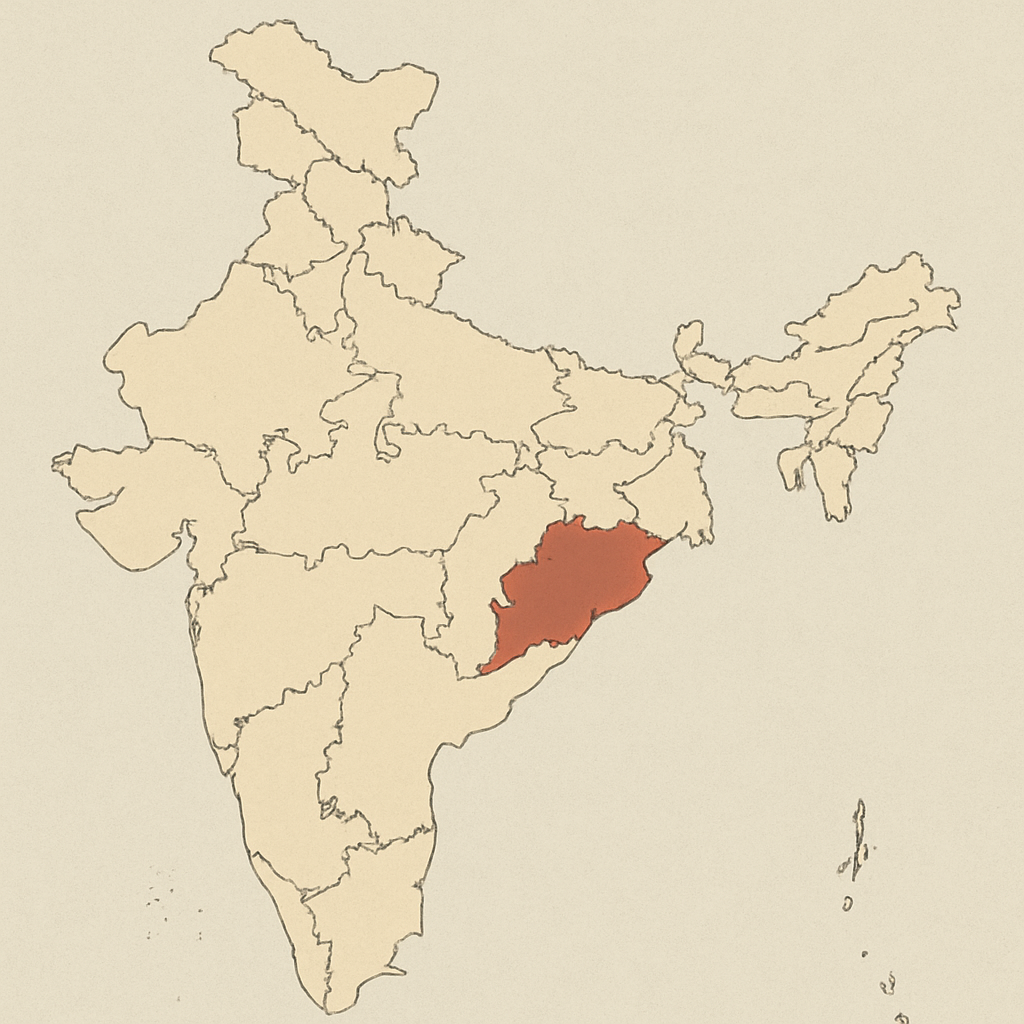
Odisha, an eastern state of India, has made significant strides in the medical field, including neurosurgery. The state has been focusing on enhancing medical infrastructure and increasing the number of skilled professionals in various specialties. This focus is crucial for meeting the healthcare needs of a growing population.
Total Neurosurgeons in Odisha
Odisha has around 100 practicing neurosurgeons, serving a population of over 40 million people. While this number is growing, the demand for neurosurgical care continues to exceed the supply, leading to longer waiting times and travel requirements for many patients.
The Growing Demand
The demand for neurosurgical care in Odisha is driven by several factors, including an increasing incidence of neurological disorders and a growing awareness of specialized medical services. As more people seek neurosurgical interventions, the pressure on existing specialists and facilities intensifies, necessitating further expansion of services.
Efforts to Increase Supply
To address the supply-demand gap, Odisha is investing in medical education and training. The state government is supporting the establishment of new medical colleges and enhancing existing ones to produce more neurosurgeons. These efforts are aimed at creating a robust pipeline of qualified specialists who can meet the state’s healthcare needs.
Impact on Patients
The shortage of neurosurgeons in Odisha has a direct impact on patient care. Patients often face long waiting periods for consultations and surgeries, which can delay treatment and worsen health outcomes. Moreover, the need to travel to urban centers for specialized care adds to the burden, particularly for those from rural areas.
Best Neurosurgeon in Odisha
Identifying the best neurosurgeon in Odisha involves considering multiple factors such as experience, patient outcomes, and peer recognition. Some of the top neurosurgeons in the state have been recognized for their contributions to medical research and their ability to handle complex neurosurgical procedures.
Criteria for Excellence
The criteria for identifying top neurosurgeons typically include their educational background, years of practice, and success rates in surgeries. Additionally, peer recognition and contributions to medical research and innovation are significant indicators of excellence in the field. Patients often rely on these criteria to make informed decisions when seeking care.
Patient Outcomes and Satisfaction
Patient outcomes and satisfaction are critical measures of a neurosurgeon’s competence. Positive outcomes, such as successful surgeries and minimal complications, contribute to a neurosurgeon’s reputation. Patient testimonials and reviews also play a vital role, providing insights into the quality of care and patient experiences.
Peer Recognition
Recognition by peers in the medical community is a testament to a neurosurgeon’s expertise and contributions to the field. Awards, publications in medical journals, and participation in professional associations are indicators of a neurosurgeon’s standing among colleagues. Such recognition not only elevates the individual’s profile but also enhances the reputation of the medical institution they are associated with.
Neurosurgeons in Bhubaneswar
Bhubaneswar, the capital city of Odisha, is a hub for medical education and healthcare services. It hosts several reputed hospitals and medical colleges, making it an attractive location for neurosurgeons. This concentration of healthcare facilities positions Bhubaneswar as a center of excellence in neurosurgery.
Medical Infrastructure
Bhubaneswar boasts a well-developed medical infrastructure, with state-of-the-art hospitals and research centers. These facilities provide neurosurgeons with the resources necessary to perform complex procedures and access the latest medical technologies. The city’s focus on healthcare development has made it a preferred destination for patients seeking advanced neurosurgical care.
Educational Opportunities
The presence of prestigious medical colleges in Bhubaneswar offers excellent educational and training opportunities for aspiring neurosurgeons. These institutions provide specialized courses and hands-on training, ensuring that graduates are well-prepared to enter the field. The availability of high-quality education attracts both students and established professionals, contributing to the city’s reputation as a medical hub.
Collaborative Environment
Bhubaneswar’s collaborative medical environment fosters knowledge sharing and innovation. Neurosurgeons in the city often engage in collaborative research projects and participate in medical conferences and workshops. This culture of collaboration enhances the overall quality of care and encourages the adoption of best practices in neurosurgery.
How Many Neurosurgeons in Bhubaneswar?
Bhubaneswar has approximately 30 neurosurgeons, making it one of the most well-served cities in Odisha for neurosurgical care. The concentration of specialists in this city facilitates access to high-quality care and advanced medical procedures for patients.
Implications for Patient Care
The availability of a significant number of neurosurgeons in Bhubaneswar ensures that patients have access to timely and effective care. This concentration allows for a diversity of expertise, enabling patients to receive specialized treatment tailored to their specific needs. The presence of multiple specialists also fosters healthy competition, driving improvements in service quality and patient satisfaction.
Benefits of Concentration
The concentration of neurosurgeons in Bhubaneswar benefits both patients and healthcare providers. For patients, it means access to a range of specialists and treatment options. For providers, it creates opportunities for collaboration and professional growth. This concentration also attracts investments in medical infrastructure and technology, further enhancing the quality of care available in the city.
Challenges of Urban Concentration
While the concentration of neurosurgeons in Bhubaneswar offers many benefits, it also presents challenges. The influx of patients from other regions can lead to increased demand for services, straining existing resources and infrastructure. Addressing these challenges requires ongoing investment in healthcare facilities and strategic planning to ensure that the city’s medical services can accommodate the growing demand.
Best Neurosurgeon in Bhubaneswar
When considering the best neurosurgeon in Bhubaneswar, patients often look at factors such as qualifications, years of practice, and success rates of surgeries. Many neurosurgeons in Bhubaneswar have been trained at prestigious institutions and bring a wealth of experience to their practice.
Evaluating Qualifications
Qualifications are a primary consideration when identifying the best neurosurgeons in Bhubaneswar. Credentials from reputable medical institutions and specialized training in advanced neurosurgical techniques are indicators of a neurosurgeon’s expertise. Patients often seek neurosurgeons with extensive qualifications to ensure they receive the highest standard of care.
Success Rates and Experience
A neurosurgeon’s experience and success rates in performing surgeries are crucial factors for patients. High success rates and a track record of handling complex cases with positive outcomes instill confidence in patients. Experienced neurosurgeons are better equipped to manage unexpected complications and provide comprehensive care throughout the treatment process.
Patient and Peer Reviews
Feedback from patients and peers offers valuable insights into a neurosurgeon’s capabilities. Patient reviews highlight aspects such as bedside manner, communication skills, and post-operative care, while peer reviews provide an assessment of professional competence and contributions to the field. Together, these reviews help build a comprehensive picture of a neurosurgeon’s reputation and standing in the medical community.
Advancements in Neurosurgical Practices

The field of neurosurgery is continually evolving with advancements in technology and medical research. In India, this evolution has led to improved surgical outcomes and the ability to tackle increasingly complex cases. These advancements are transforming the landscape of neurosurgical care, offering new possibilities for treatment and recovery.
Technology in Neurosurgery
The use of technology in neurosurgery, such as minimally invasive techniques, advanced imaging systems, and robotic surgery, has revolutionized the way neurosurgeons operate. These advancements have reduced recovery times, minimized surgical risks, and enhanced precision during operations.
Minimally Invasive Techniques
Minimally invasive techniques have become a cornerstone of modern neurosurgery. These techniques involve smaller incisions, reducing trauma to surrounding tissues and accelerating recovery. Patients benefit from shorter hospital stays, less post-operative pain, and quicker returns to normal activities, making these procedures highly desirable.
Advanced Imaging Systems
Advanced imaging systems, such as MRI and CT scans, provide neurosurgeons with detailed insights into the brain and spinal cord. These technologies enhance pre-surgical planning and intraoperative navigation, allowing for more precise and targeted interventions. Improved imaging capabilities contribute to better outcomes and reduced risks of complications.
Robotic-Assisted Surgery
Robotic-assisted surgery is a cutting-edge advancement in neurosurgery. Robotic systems offer enhanced dexterity and precision, enabling surgeons to perform intricate procedures with greater accuracy. These systems also provide real-time feedback and visualization, further improving the safety and efficacy of neurosurgical operations.
Training and Education
Continuous education and training are vital for neurosurgeons to stay abreast of the latest techniques and technologies. In India, several institutions offer specialized courses and workshops to help neurosurgeons enhance their skills and knowledge.
Specialized Courses and Workshops
Specialized courses and workshops are essential for neurosurgeons to develop expertise in emerging techniques and technologies. These programs offer hands-on training and exposure to the latest advancements in the field. By participating in such initiatives, neurosurgeons can refine their skills and provide cutting-edge care to their patients.
Online Learning and Resources
The rise of online learning platforms has revolutionized access to medical education. Neurosurgeons can now participate in webinars, virtual conferences, and online courses to stay updated with global advancements. These resources provide flexible learning opportunities, allowing neurosurgeons to balance professional commitments with continuous education.
International Collaborations
International collaborations offer neurosurgeons opportunities to exchange knowledge and learn from global experts. Partnerships with international institutions facilitate research collaborations, joint training programs, and knowledge transfer. Such collaborations enrich the professional development of neurosurgeons and contribute to the advancement of neurosurgical practices in India.
Conclusion
The landscape of neurosurgery in India, and specifically in Odisha, reflects a dynamic field experiencing growth and transformation. While challenges remain, the dedication of medical professionals and the integration of advanced technologies are paving the way for improved patient outcomes. The ongoing focus on expanding access to specialized care and enhancing healthcare infrastructure is critical for the future of neurosurgery in India.
For those seeking neurosurgical care in Odisha, the increasing number of skilled neurosurgeons and the advancements in medical technology offer hope for effective treatment and recovery. As the healthcare system continues to evolve, the focus on expanding access to specialized care will remain a top priority. By understanding the current statistics and trends, patients and healthcare providers can make informed decisions and collaborate to enhance the quality of neurosurgical care in India. This collaborative approach is essential for addressing the challenges and seizing the opportunities that lie ahead in the ever-evolving field of neurosurgery.